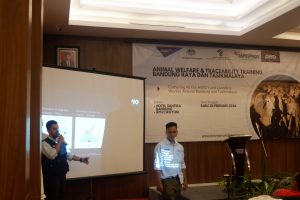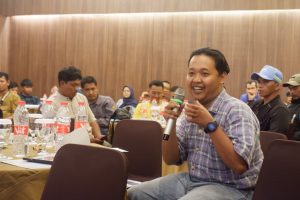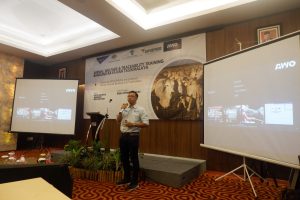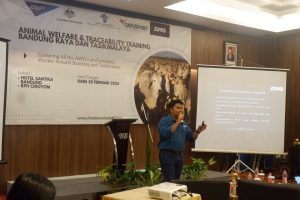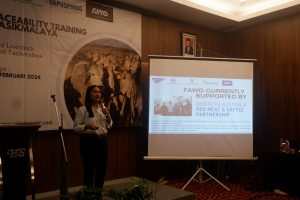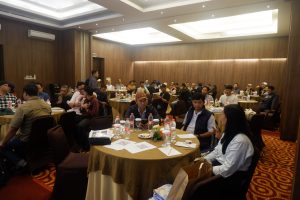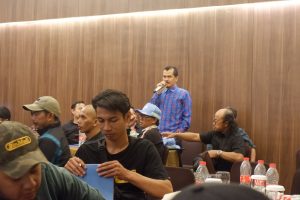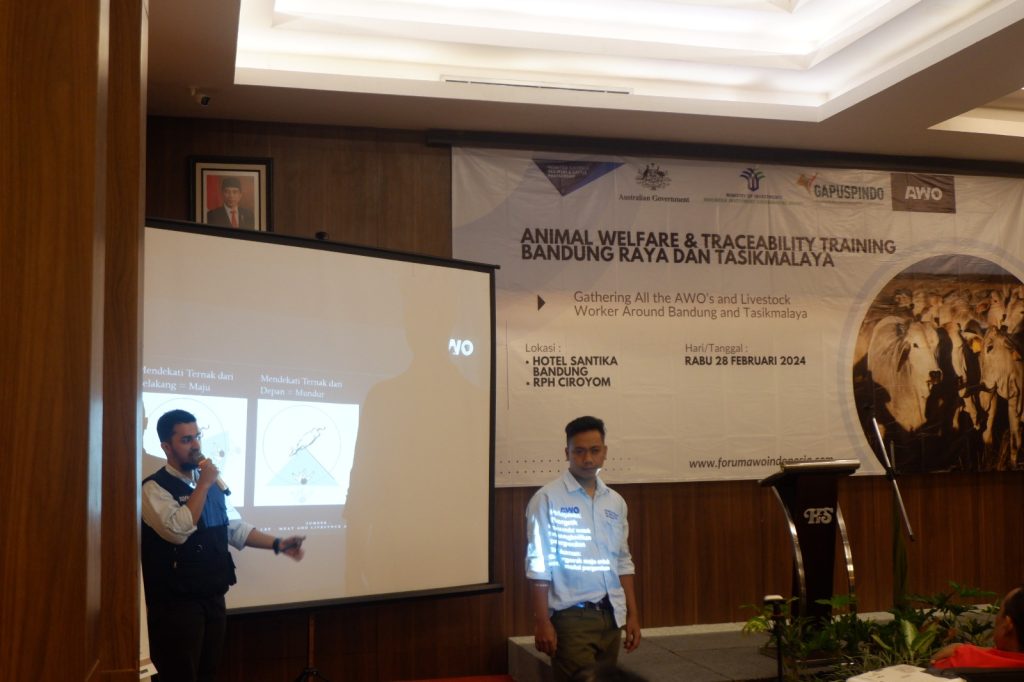
Forum AWO Indonesia held a training program focused on Animal Welfare and Traceability on February 28th at Santika Hotel Bandung. To enliven the event, a halal slaughterer competition was also organized, inviting participants from halal slaughterers in the Bandung and Tasikmalaya areas.
This training and competition is fully support by IA-RMCP (Indonesia Australia Red Meat & Cattle Partnership), as evidence of collaborative efforts to improve the practices of the beef industry in Indonesia. Pak Petrus Widantoro, Project Manager of RMCP, attended the event and emphasized the importance of prioritizing animal welfare in all aspects of the beef supply chain.
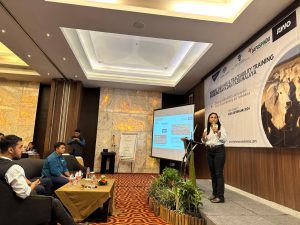
During the training session, participants were given an overview of various important topics related to animal welfare and traceability. Denis Febta from Frontier International Northern Pty Ltd as an exporter representative, discussed ESCAS (Exporter Supply Chain Assurance System) and its crucial role in ensuring animal welfare throughout the supply chain of Australian beef. A comprehensive understanding of ESCAS protocols is expected to provide participants with explanations to continue implementing effective monitoring mechanisms to maintain animal welfare standards, especially in the supply chain of beef in Indonesia.
Yudhistira Pratama from Halleen Australasian Livestock Traders Pty Ltd addressed the handling of cattle in feedlots by delving into the details of cattle handling in pens, emphasizing the importance of adopting appropriate techniques to minimize stress and ensure animal welfare under the responsibility of each facility. The session emphasized the crucial role of AWO feedlot, depot, and RPH staff in maintaining animal welfare standards.
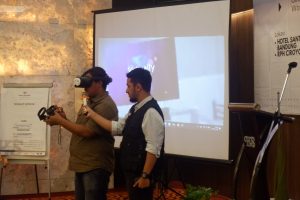
Ali Rahman from Halleen Australasian Livestock Traders Pty Ltd, as the trainer, provided insights into slaughter methods compliant with welfare standards, emphasizing the need to minimize stress during the slaughtering process. By demonstrating best practices in slaughter, participants were equipped with knowledge to improve animal welfare outcomes to achieve good welfare standards to be applied in RPH facilities. Then, during the training event, there was a stunning demonstration using Virtual Reality (VR) by a representative from Cooleco before moving on to the final training session.
The last session was led by Neny Santy Jelita, Chairperson of Forum AWO Indonesia. Neny focused on an important yet often overlooked aspect of this industry, which is inclusivity in the involvement of women in activities in the beef industry, whether in cattle farming/feedlots or RPHs (Slaughterhouses). GEDSI, which stands for Gender Equality, Disability, and Social Inclusion, was presented by Neny, emphasizing the vital role of women in the supply chain of Australian imported cattle. She highlighted the need for equal opportunities and social inclusion for all stakeholders, regardless of gender or physical ability.
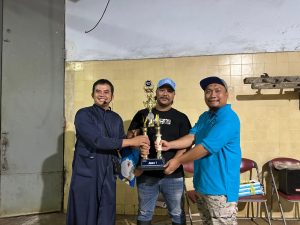
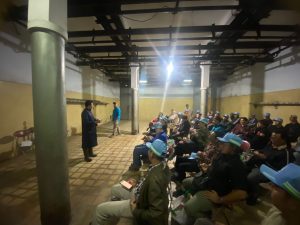
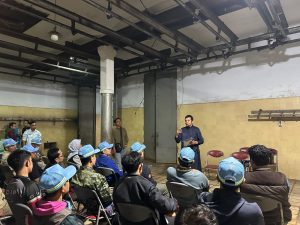
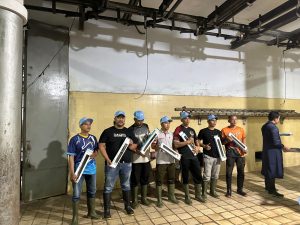
In the evening session, participants enthusiastically participated in observation sessions and the slaughter competition. Supratikno had the opportunity to be a judge or assessor in this competition, carefully explaining the rules and preparations before the competition began. The enthusiasm felt by participants and supporters during the competition was palpable.
The competition was won by Bagus Tsani with the highest score from Supratikno’s assessment. The success of this competition is evidence of the commitment of professional workers to prioritize animal welfare practices in the beef industry’s supply chain.
In conclusion, Forum AWO Indonesia’s training initiative in Bandung, combined with a cutting competition, marks an important step in advancing animal welfare standards and promoting traceability in the supply chain. Through collaborative efforts and ongoing education to ensure animal welfare at every stage of the process in the supply chain of the beef industry in Indonesia.